






 Feed
Feed Scan with QR Code Reader
 mobi
mobi- Advertise / Donate
Welcome !
Newquay weather receives over 1000 vistors per day winter time, rising to over 3000 to 4000 or more in the summer, including visitors from all over the world.
Please help support this site

Your business

Via Paypal
- Accommodation
Hotels, B&B's and Caravan and Camping Sites

Porth Sands - Luxury beach accommodation wth beach facing balconies, a golden sandy beach making it the perfect place to idle away the hours- swimming, body boarding, sunbathing and paddling.
- Food
Restaurants, Cafe's, Takeaways

Pachanga - Pachanga Authentic Mexican Since 2016 we've been re-creating dishes that are part of our cultural heritage using techniques that are unique to Mexico. We use mostly Mexican, local & organic produce in our dishes & drinks
- Charity Events
Charity Events - Max 3 free ads
For a Free Charity Ad Here, please contact me- - Houses for Sale
Houses for Sale
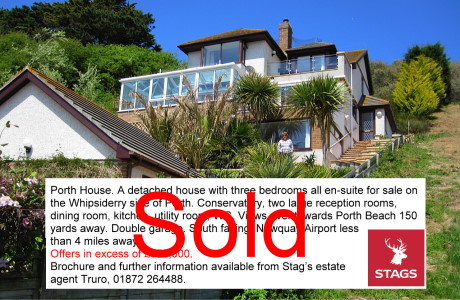
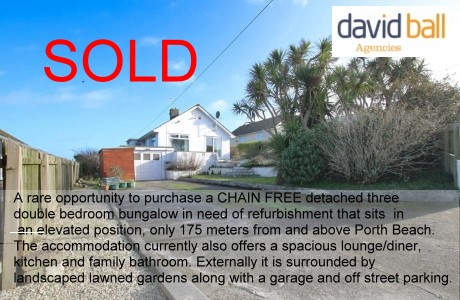
Advertise your house for sale here and help support this site.
Small photo, text + link to agents for a One off ₤25. Please contact me.Advertise your house for sale here
- Local Services
Shops, Services etc

Towan Insurance BrokersCornwall's local commercial insurance specialist. We help Cornish businesses find the right cover, from tradespeople and property owners to specialist contractors. Based in Cornwall, independent, and genuinely invested in the businesses we work with. Visit us at Towan Insurance Brokers
🌌 NASA Astronomy Picture of the Day
Gamma-Ray Burst Afterglow: Supernova Connection
Date: 2002-04-05
Explanation:
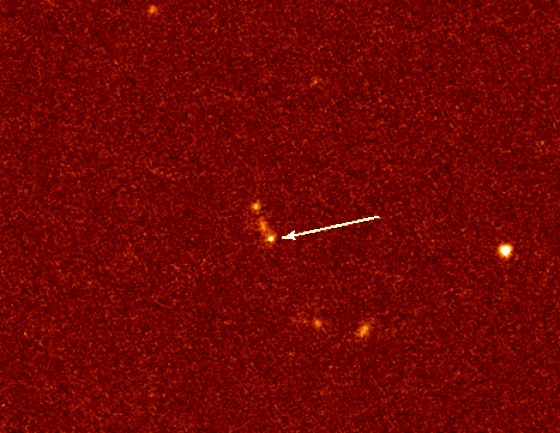
What causes the mysterious gamma-ray bursts? Indicated in this Hubble Space Telescope exposure of an otherwise unremarkable field in the constellation Crater, is the dwindling optical afterglow of a gamma-ray burst first detected by the Beppo-SAX satellite on 2001 December 11. The burst's host galaxy, billions of light-years distant, is the faint smudge extending above and to the left of the afterglow position. After rapidly catching the fading x-ray light from the burst with the orbiting XMM-Newton observatory, astronomers are now reporting the telltale signatures of elements magnesium, silicon, sulphur, argon, and calcium - material most likely found in an expanding debris cloud produced by the explosion of a massive star. The exciting result is evidence that the gamma-ray burst itself is linked to a very energetic supernova explosion which may have preceded the powerful flash of gamma-rays by up to a few days.